Browse Our Producers
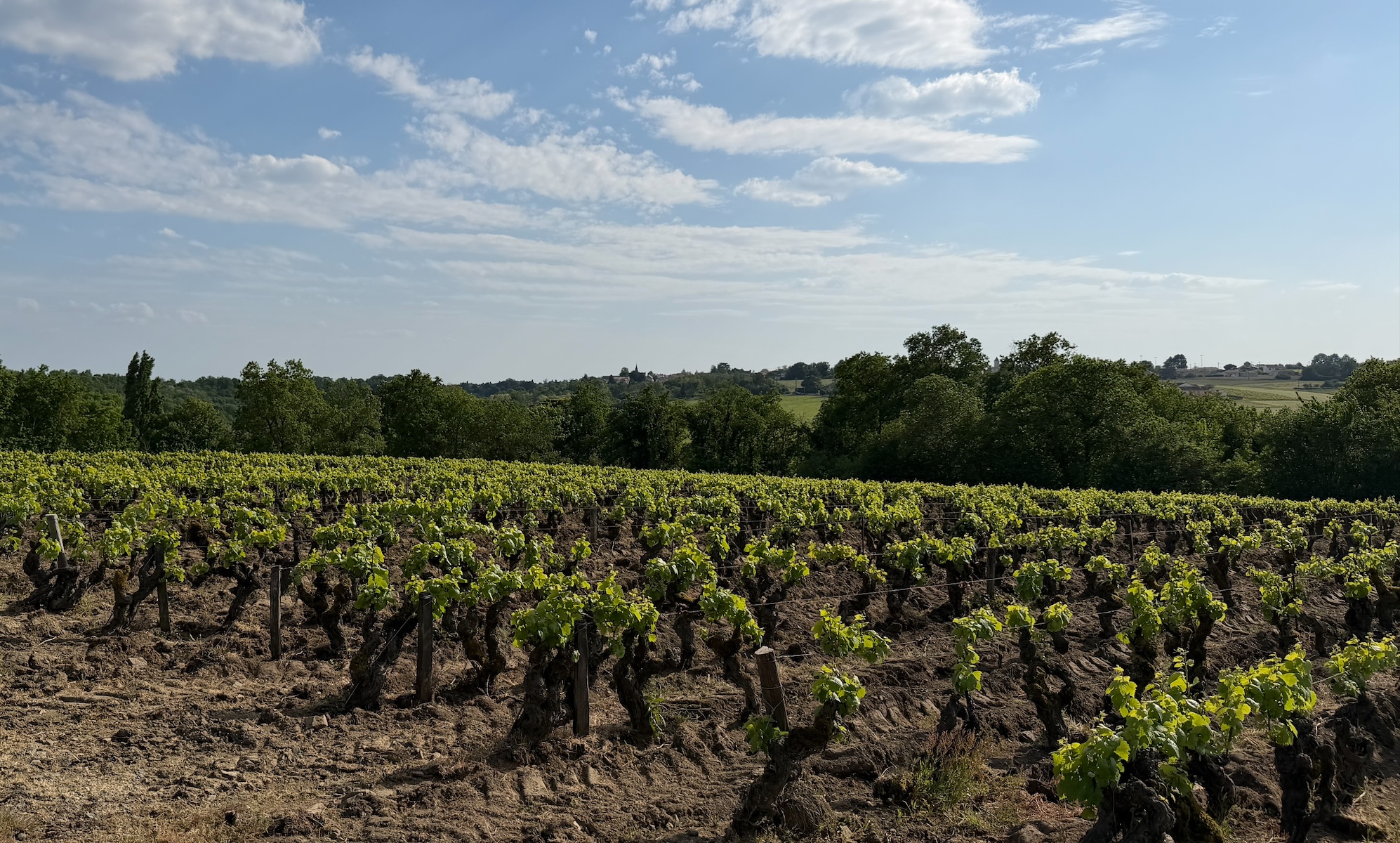
- Domaine du Grand Mouton was founded in the mid-20th century by Louis Métaireau, one of a handful of producers responsible for restoring the reputation of the Muscadet appellation.
- Based around the Grand Mouton vineyard, this nine-hectare plot provides vines that were planted as long ago as 1937.
- Vines are tended organically and are situated on different soil types that bring different characteristics to the wines.
- Aging is done traditionally, in concrete on the lees over the winter.
- These wines show the nuance that Muscadet can produce, as each cuvée displays its own distinct personality while still remaining true to their appellation.
sLouis Métaireau — along with his fellow vignerons d'art, a close-knit group of like-minded producers — played a pivotal role in restoring Muscadet's reputation in the mid-20th century. He helped pioneer the practice of aging wines on their fine lees through the winter, laying the groundwork for the AOP Muscadet Sèvre et Maine Sur Lie. Today, Jérémie Huchet carries forward the legacy as the estate's newest steward.
A fourth-generation winemaker, Jérémie grew up in a family that held Louis Métaireau's wines in the highest regard. When the opportunity arose to acquire the iconic Grand Mouton vineyard in the heart of Saint-Fiacre, he seized it. Since 2025, Jérémie has focused on restoring organic farming practices, revitalizing the old vines, introducing new plantings through massale selection, and reframing the estate's winemaking around parcel-specific Muscadet.
The vineyard's distinctive terroir and old vines are central to the philosophy at Grand Mouton. Today, the estate encompasses 14 hectares on a single, contiguous hillside, where a patchwork of gneiss, amphibolite, and gabbro soils gives each cuvée its individual character. Carte Noire comes from the lower slopes, where deep, two-mica gneiss predominates. Higher on the hillside, the flagship Grand Mouton draws from mainly amphibolite soils, a distinctive metamorphic rock that accounts for less than 10% of Muscadet's soil type. Cuvée One comes from a long, narrow parcel that spans both gneiss and gabbro soils. Home to some of the estate's oldest vines, dating to the 1930s, this plot produces a wine that demonstrates the depth and aging potential of Muscadet.
The winery team maintains low yields and harvests all grapes by hand. In the cellar, tucked into the vineyard hillside, they follow a minimal-intervention approach. Indigenous yeasts drive fermentation, and the wines age on their fine lees through the winter, without stirring, in traditional glass-lined concrete tanks. They do not undergo malolactic conversion.
Under Jérémie's stewardship, Domaine du Grand Mouton – Louis Métaireau continues to honor its namesake, demonstrating the stylistic diversity and aging potential of Muscadet. With a clear vision for the estate and the determination to realize it, Jérémie is building on that legacy, restoring the vineyards and bringing renewed attention to one of Muscadet's most celebrated properties.
Farming and vinification practices: Sustainable, Organic
Showing all 5 results