Browse Our Producers

- The crown jewel in Châteauneuf-du-Pape legend Jacques Reynaud's holdings, nephew Emmanuel Reynaud assumed control of the estate following Jacques' death in 1997.
- Emmanuel, and now his sons Louis Damien and Benoît, followed in his uncle's footsteps, adhering to the same traditional techniques that made the wines so revered.
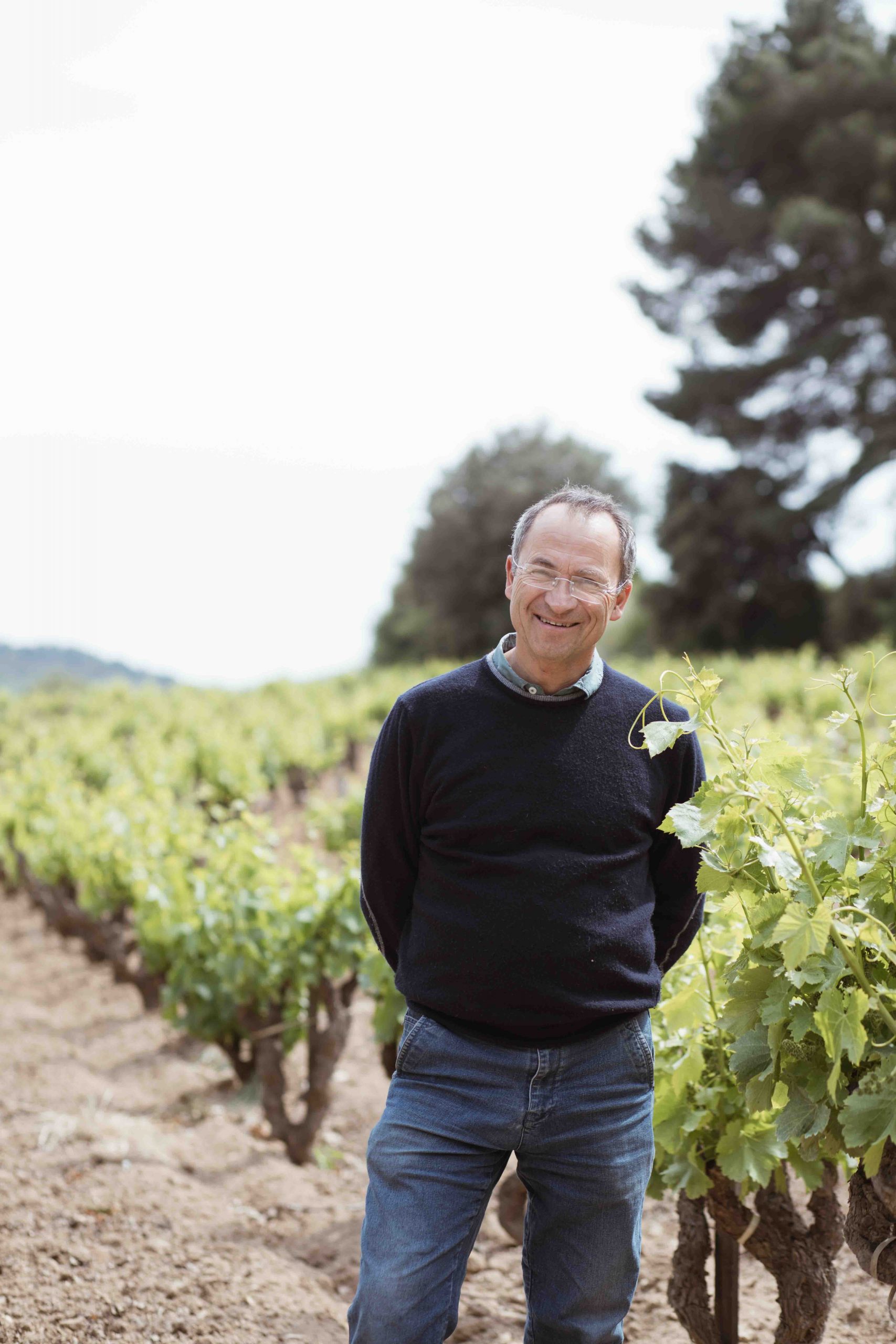
- The vineyards are tended with the same organic methods used in all of the Reynaud’s properties and are unique in that they are planted in sandy soil instead of the galets common to the appellation.
- Hand-harvested grapes from 13 hectares of vineyards see whole-cluster fermentation and native yeasts.
- Entirely free from modern interventions, the wines of Château Rayas are always some of the most coveted in the Rhône.
The spirit of Jacques Reynaud, the godfather of Châteauneuf-du-Pape, is always present at the storied estate of Château Rayas. This legendary winemaker inherited the estate from Albert Reynaud in 1978 and made the wines of Rayas known to the world, including the young import company founded a year later by Martine Saunier. Upon Jacques’ passing in 1997, his wife asked their nephew, Emmanuel Reynaud, to take the reins at both Château Rayas and Château de Fonsalette. Already making wines at his father's Château des Tours, Emmanuel agreed.
Somewhat reclusive and to be found working his vineyards at most any time of day, every day, Emmanuel did not revel in the fame and notoriety that came with making such sought-after and acclaimed wines. Instead, he quietly but successfully carried the mantle of his famous forebears, producing hauntingly aromatic wines at his three estates: Château Rayas, Château des Tours, and Château de Fonsalette.
Rayas is a secluded estate northeast of the village, not far from Courthézon. It is unusual because its 13 hectares of vines are north facing and contain none of the fabled round pebbles (galets roulés). The vineyard is surrounded on all sides by forest. During vinification, each varietal of every vineyard is fermented separately in oak casks, with assemblage taking place in enamel-lined tanks before bottling. Fermentation is allowed to begin naturally with no inoculation of yeasts in 80-100-year-old foudres. "These foudres were around when my grandfather was alive, and he bought them secondhand,” said Emmanuel.
There is a clear through line in all the wines that were produced by Emmanuel, a signature that is now carried on by his sons, Louis Damien and Benoît. The uniquely weighty, aromatic, complex, and savory character of the wines places them among the most well-regarded, sought-after bottles of the appellation.
Farming and vinification practices: Sustainable, Organic