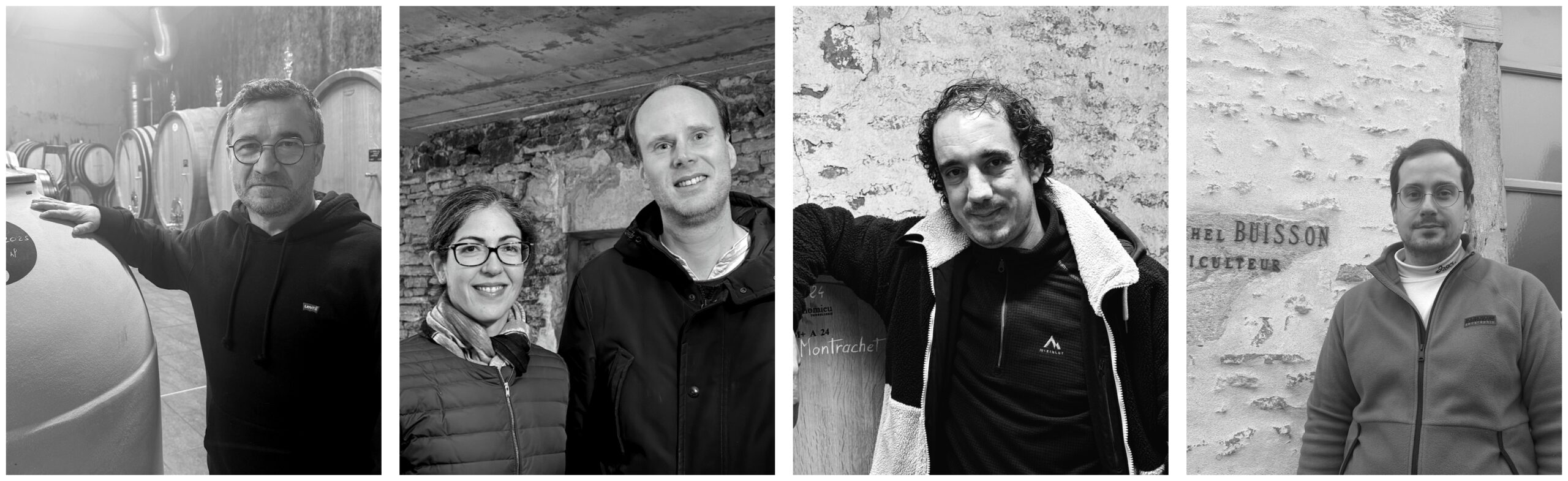
Burgundy has long been defined by its terroir and its people. However, as global demand has accelerated, it has also come to be defined by scarcity – a scarcity that is felt not only by those who drink the wines, but by the vignerons themselves. As land prices climb and available real estate becomes increasingly limited, the traditional model of purchasing vineyards for both those seeking to establish a domaine and those hoping to grow beyond what they already hold is no longer a reality for most. And yet the pull of Burgundy remains. The result has been the rise of the micro-négociant.
Vineyard ownership, long considered the gold standard in Burgundy, no longer strictly overlaps with authorship. In the micro-négociant model, the defining question is not who owns the land. Instead, the more important question is how it is farmed and who makes the decisions. Small-scale, long-term grape buying contracts allow winemakers to work with trusted growers, participate in viticultural choices, and harvest with their own teams. Micro-négociants are a response to the new conditions of access in Burgundy.
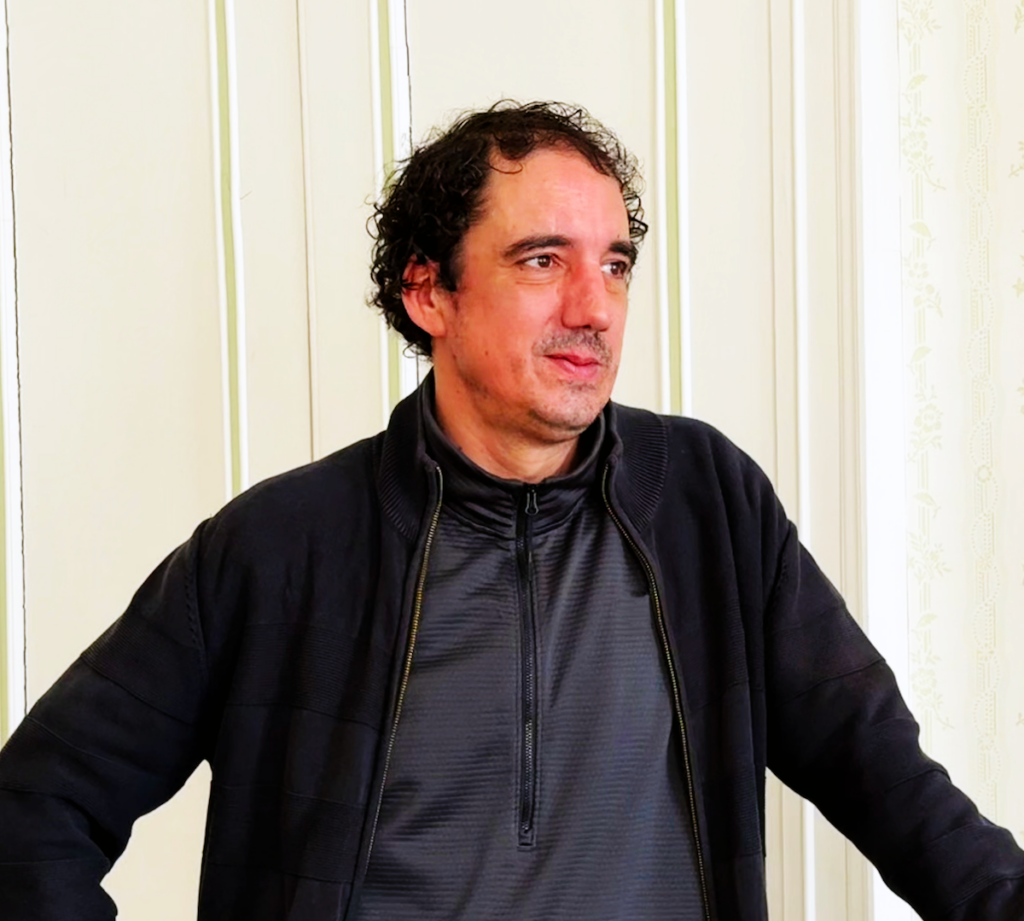
Louis Vallet of Charodon comes from a multi-generational winemaking family, but he does not yet own vineyards of his own. He founded his winery in 2010 in Montagny-lès-Beaune with “a few barrels and a lot of dreams.” In the years since has built partnerships with growers based on trust and reputation, using the quality of his wines as his calling card to access fruit from increasingly prestigious crus. His focus remains on making the best wine possible. As he explains about conversations with growers whose grapes he hopes to buy, “They don’t sell grapes to just anybody. They sell them to someone whose wines they believe in. It’s a partnership.”
Today his range stretches from Bourgogne to Grand Cru, and the relationships he is establishing are also an eventual means to an end: “Some of these contracts are also the future. If the vineyard is sold, I am first in line.” This approach allows Vallet to build Charodon in the present while creating a long-term path to ownership on his own terms.
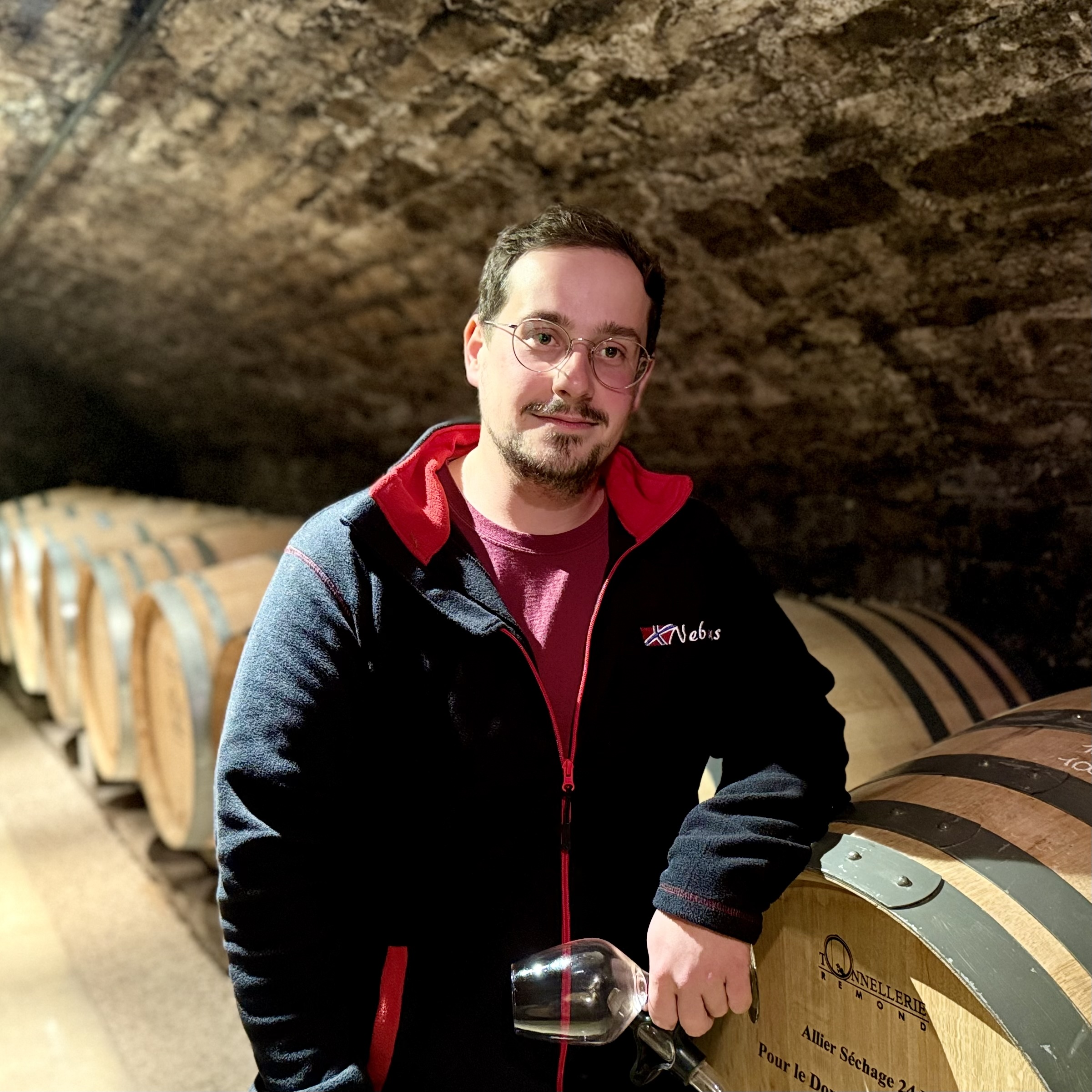
For Louis Essa at Domaine Buisson-Charles, the micro-négociant model answers a different need. As the fifth generation of a deeply rooted Meursault estate with holdings in some of the village’s most celebrated sites, he is not seeking a point of entry into Burgundy, but rather a way to extend the domaine’s reach. Through long-term relationships with growers in other appellations, Essa is able to explore new terroirs while interpreting them through their own clearly defined harvest decisions, vinification and élevage. As he explains, “Today the vines are so expensive that we would not be able to buy these parcels. But by buying grapes, we can still make these wines and reveal the terroirs in our own way.”
This approach also provides a measure of continuity in an era of climatic uncertainty. In vintages when frost, hail, or drought drastically reduces yields in Meursault, fruit from elsewhere in Burgundy allows the domaine to maintain both production and its team in the vineyards and cellar.
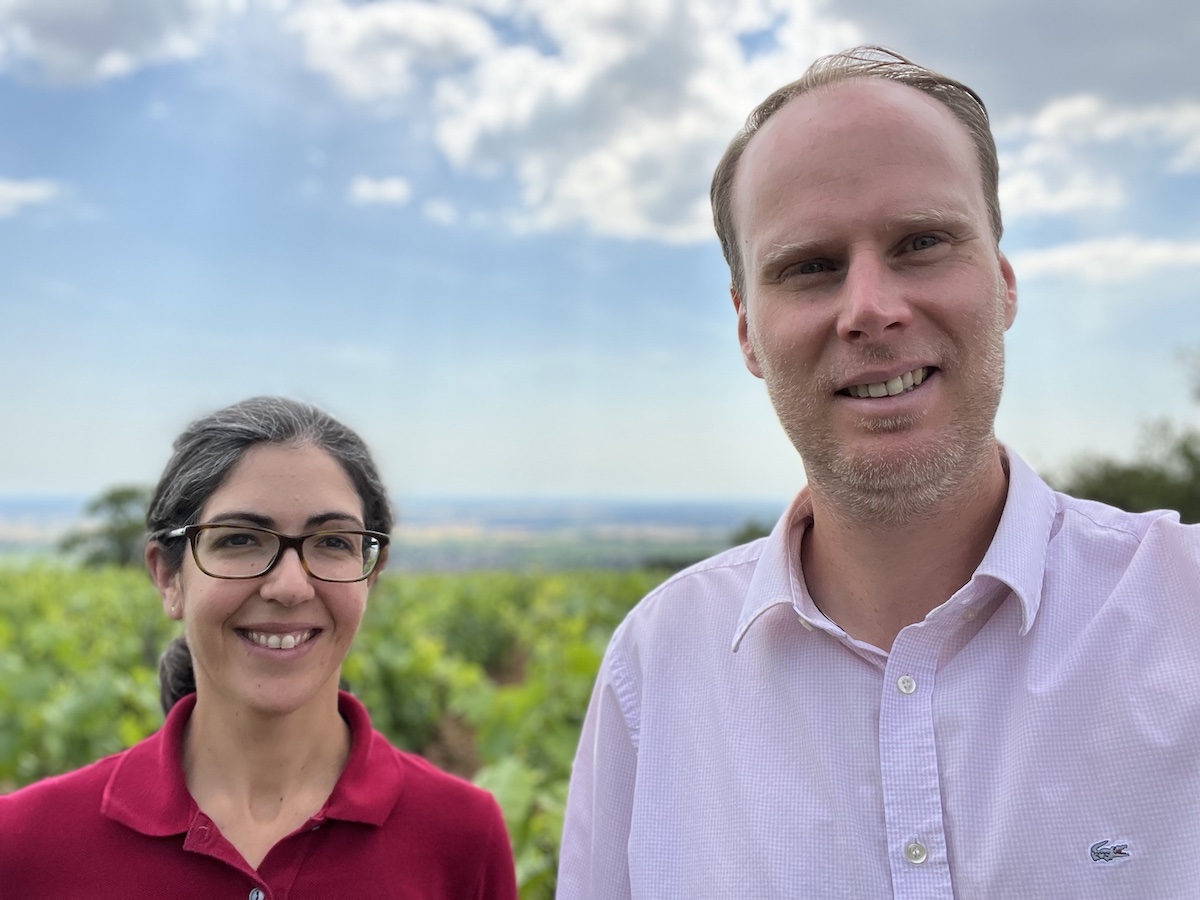
At Domaine du Chancelier in Beaune, Elsa and Cédric Erhart are doing something that can seem nearly impossible in Burgundy: building an estate without the foundation of inheritance. Although they have gradually begun to acquire their own parcels, long-term relationships with growers remain essential to much of their range, providing the access that land ownership alone cannot yet offer.
Their commitment to the region is not provisional. In the heart of Beaune they have purchased and restored an 18th-century cellar once owned by the founder of Hospices de Beaune Nicolas Rolin and his wife Guigone de Salins, rooting their winery physically and historically within the fabric of Burgundy. The micro-négociant model, for them, is not simply a means of production but a way to enter a closed system, parcel by parcel, through patience, investment, and time.
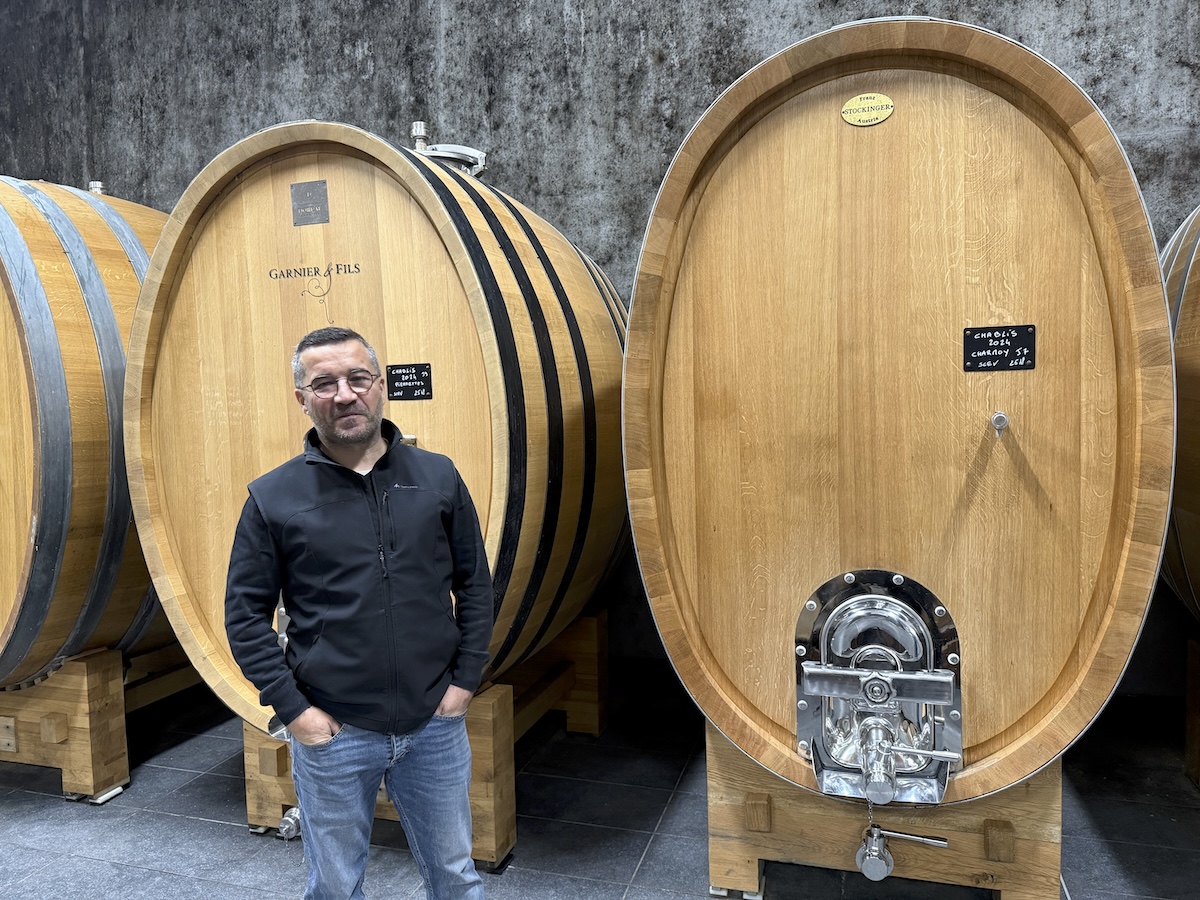
For some domaines, the micro-négociant model is not a point of entry or expansion, but a way to work across the full hierarchy of an appellation while maintaining a single house style. At Domaine Garnier & Fils, brothers Xavier and Jérôme are the first generation to estate bottle their family’s wines, though Garniers have owned and farmed Petit Chablis and Chablis Villages for decades. When they made the transition to bottling at the domaine, Xavier and Jérôme wanted their range to reflect the appellation in its entirety.
Like their counterparts in the Côte d’Or, the brothers faced the same barriers of price and availability at the top of the classification. Purchasing grapes became the only realistic way to include 1er and Grand Cru bottlings and to interpret them through the same lens as their estate fruit, offering a complete vision of Chablis from Petit Chablis to Grand Cru.
In today’s Burgundy, authorship is defined less by what is owned than by what is guided from vineyard to cellar. Rather than asking whether a wine is domaine or négociant, the more meaningful question is how deeply the winemaker is involved. These micro-négociant wines carry the imprint of their producers at every stage — from farming decisions to harvest dates to the choices made in the cellar. They bring access to great sites from emerging talent, allow established domaines to interpret new terroirs, and offer a more complete vision of an appellation through a single voice. They ask to be understood not by category, but by commitment.
Burgundy remains a region of inheritance, but increasingly it is also a region of intention. For us at Martine’s Wines, micro-négociants are not a category but a generation of vignerons shaping the future of the region. To understand this distinction, and to ask the right questions, is to open new doors of discovery. We hope you will seek out these producers and come to know the level of care and conviction that each bottle represents.